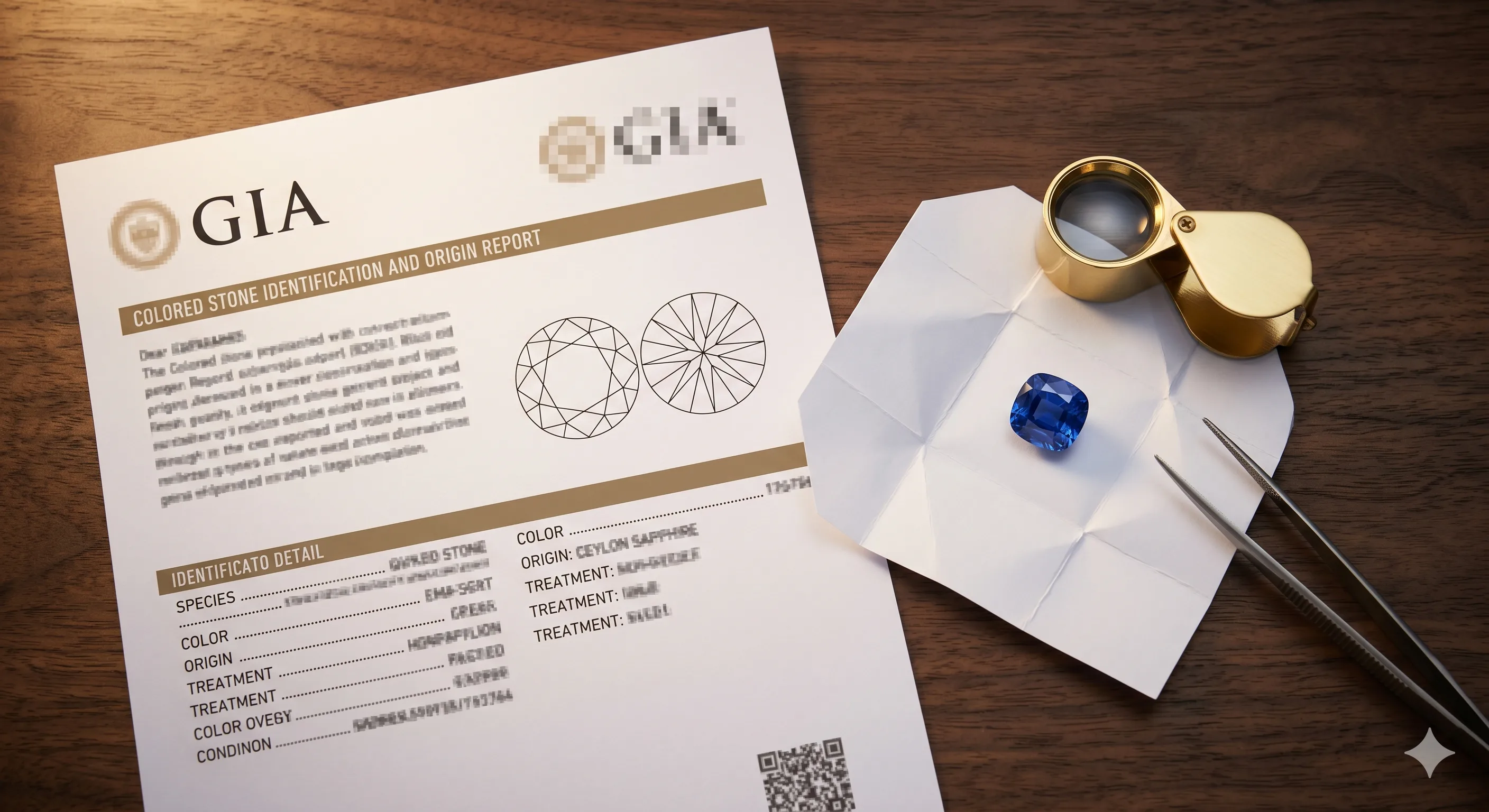
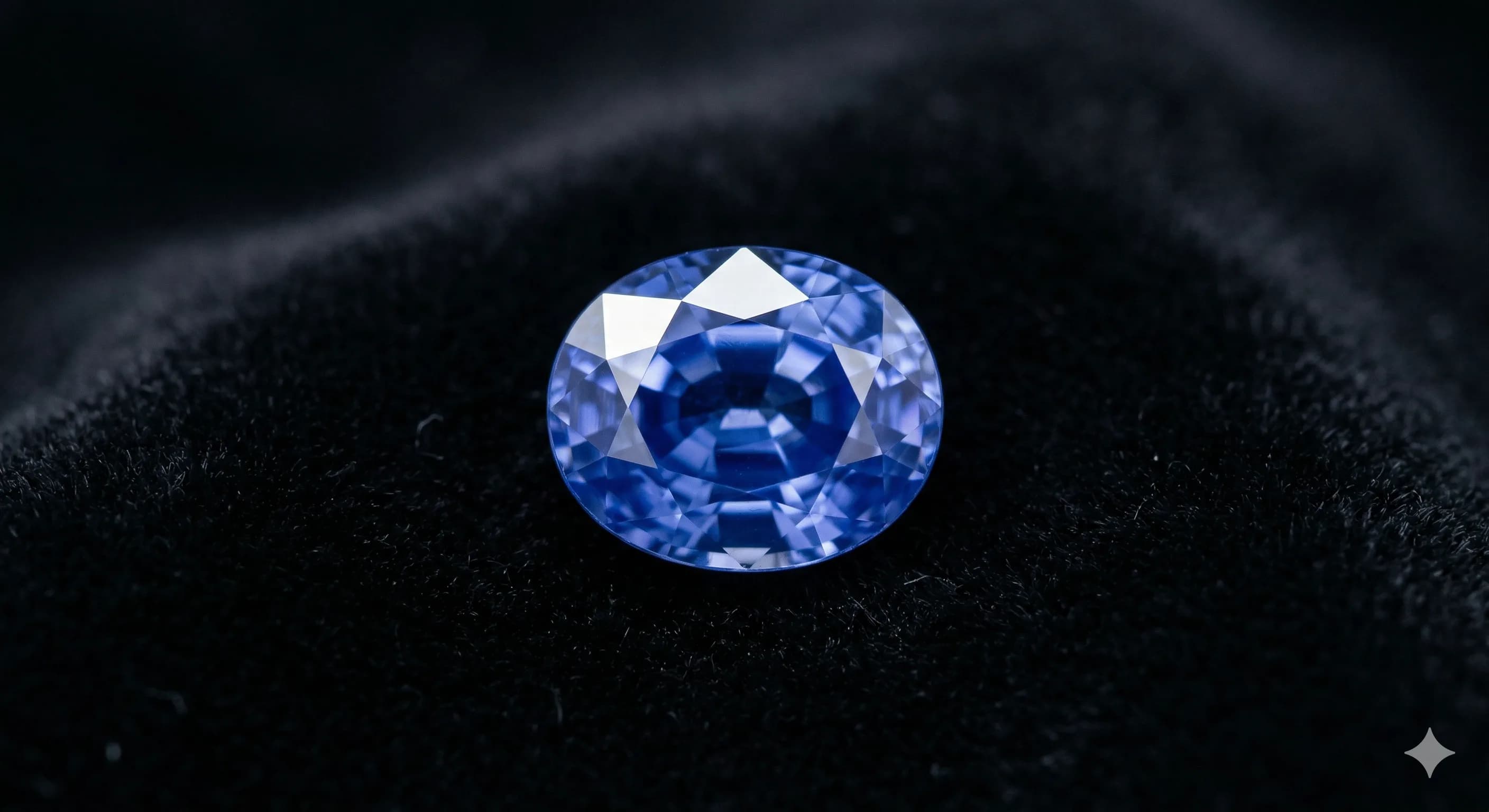
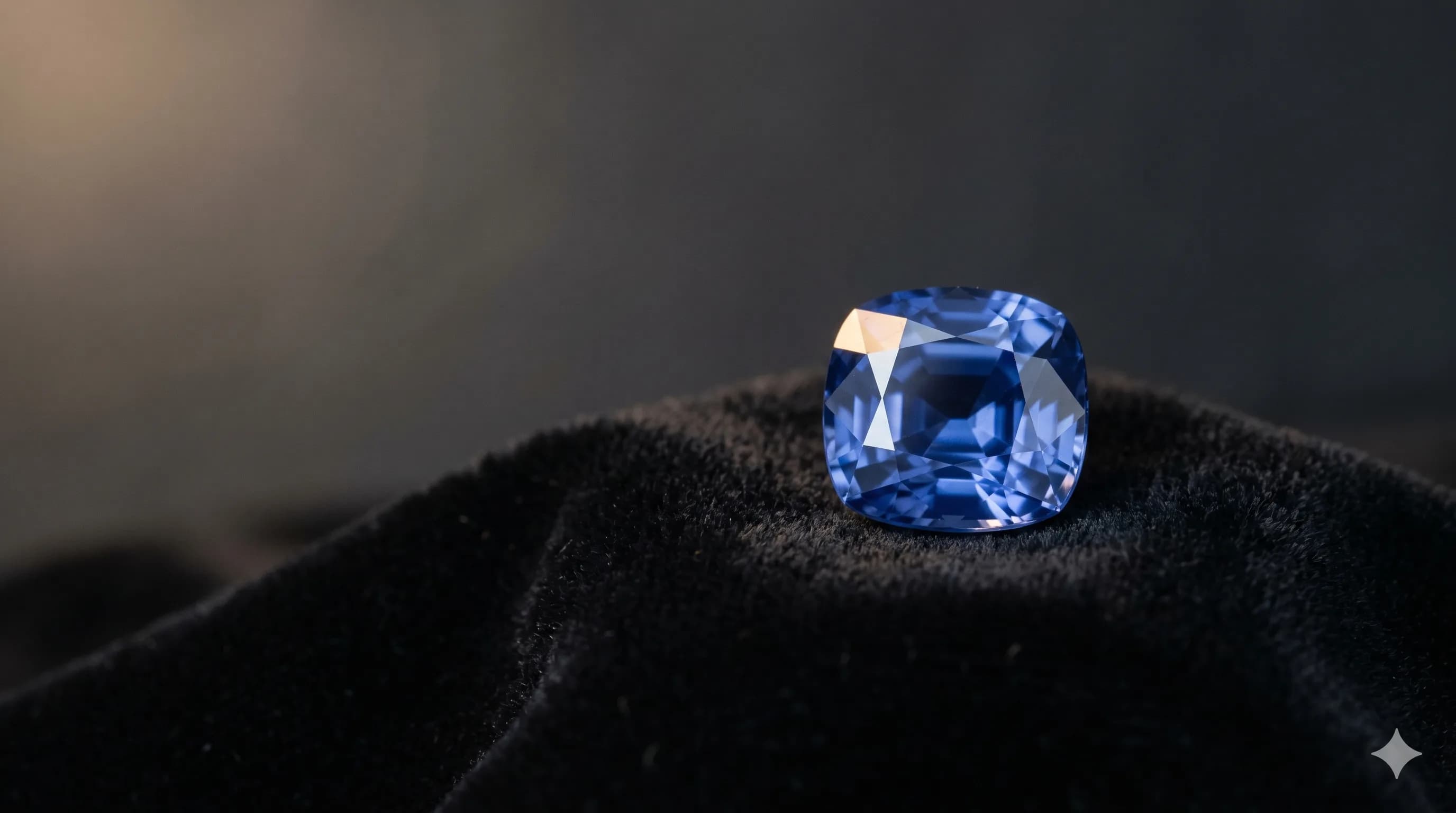
A GIA sapphire certificate is a laboratory report from the Gemological Institute of America that identifies a sapphire's species, weight, measurements, color, treatment, and in most cases its geographic origin. To read one correctly, focus on five fields in this order: species and variety (is it actually a natural sapphire), weight and measurements (do they match the stone in your hand), treatment ("no indications of heating" versus "indications of heating"), origin (Sri Lanka, Madagascar, Burma, and so on), and the report number (verifiable on GIA's online database). Everything else on the report supports those five. Here is what each field means, gem lab reports explained from the first line to the comments section, where they go wrong, and how to spot a forgery before you pay.
Why Sapphire Certification Matters
GIA is the most widely recognized gemological laboratory in the world. Founded in 1931, it created the 4Cs grading system still used for diamonds and the basic framework for colored-stone identification reports used in the trade today. A GIA report on a sapphire does three things that are otherwise left to the seller's word: it confirms the stone is a natural sapphire (not synthetic, not a composite, not a different species like spinel or glass), it documents treatment status, and on request it determines origin.
For Ceylon sapphires, a GIA report is the minimum documentation most serious international buyers expect. Uncertified stones trade at a ten to twenty percent discount, not because they are lesser stones, but because the buyer is absorbing the risk of unverified identity, treatment, and origin. Certification transfers that risk to the laboratory.
What's Inside a GIA Sapphire Report
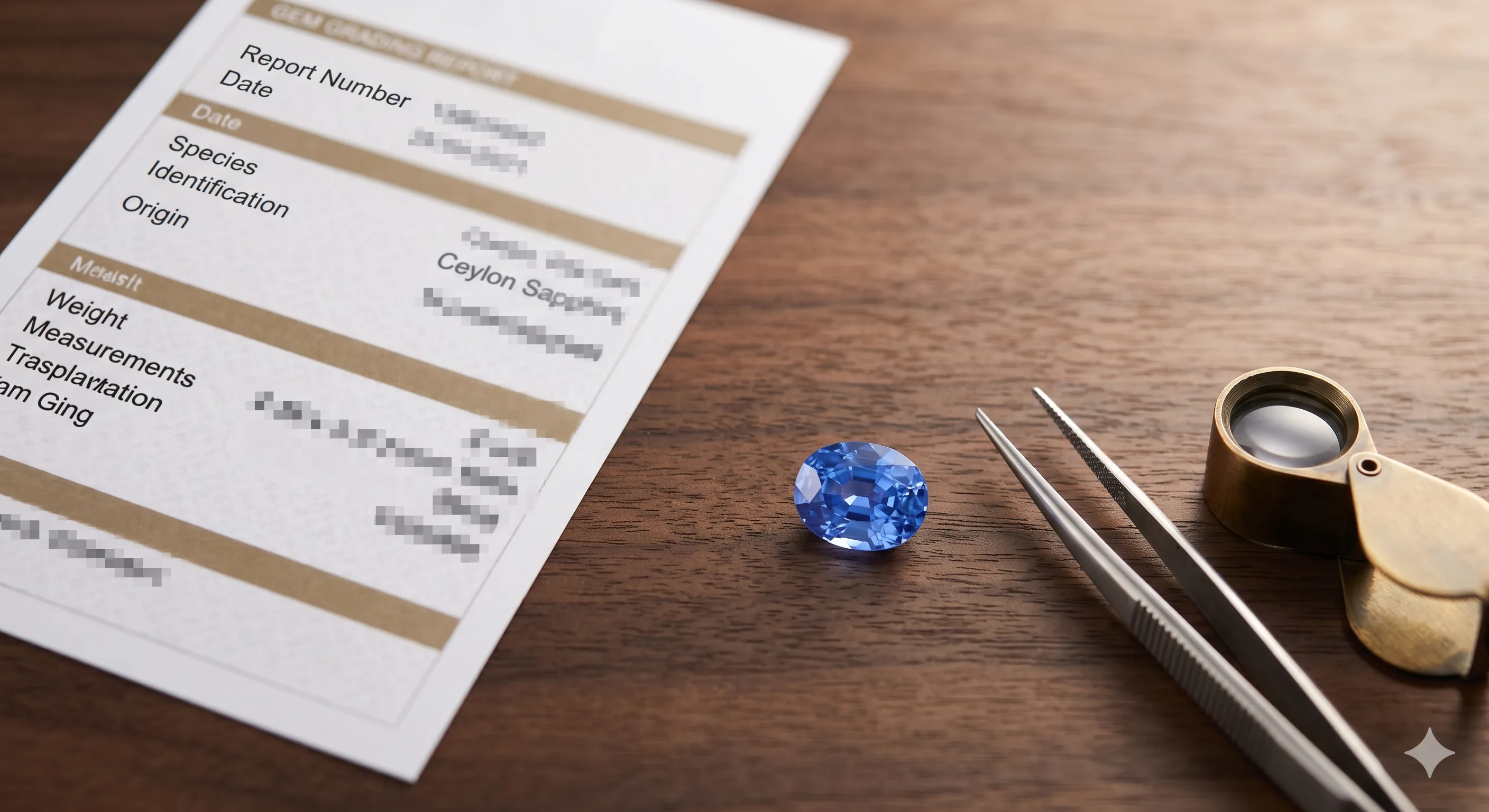
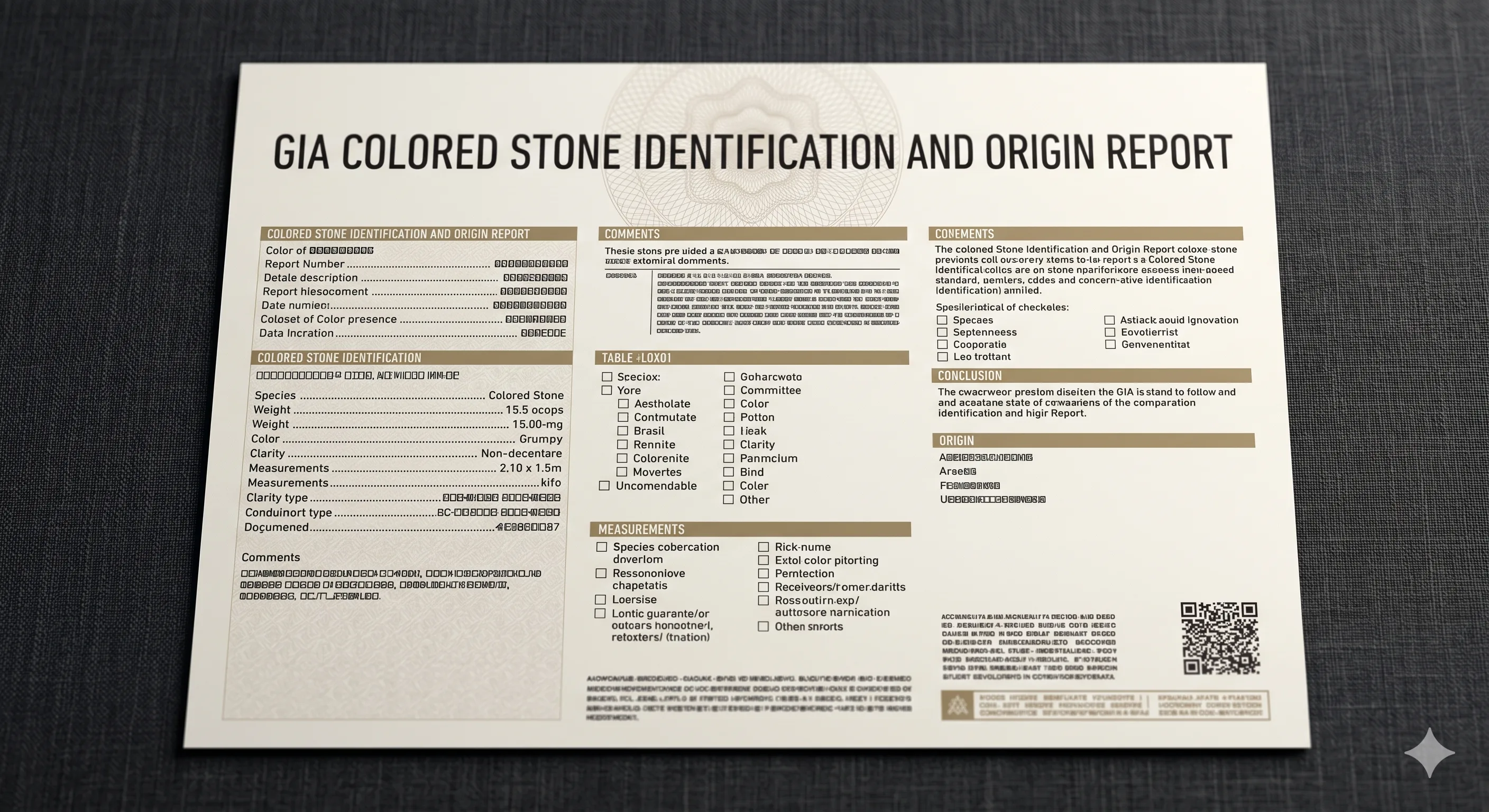
A standard GIA Colored Stone Identification and Origin Report is a single-page document with a set of clearly labeled fields. Here is what each one tells you, in the order they typically appear.
Report number and date. Top of the document. A nine-digit identification number and the issue date. Both are verifiable at gia.edu/report-check. Check this field before anything else.
Shape and cutting style. Describes the stone's outline and faceting pattern ("modified cushion mixed cut," "oval mixed cut," "round modified brilliant"). If the report says cushion and you are holding an oval, stop.
Measurements. Length × width × depth in millimeters, to two decimal places (e.g., 8.12 × 6.43 × 4.28 mm). This is one of the most common fraud points, covered in detail below.
Weight. In carats, to two decimal places (e.g., 2.47 ct). Must match the stone in hand to the precision of your scale.
Color. GIA describes color by hue, tone, and saturation ("blue," "medium," "strong"). Unlike diamonds, GIA does not assign a numeric color grade to colored stones. Verbal descriptors like "vivid blue" sit higher in the hierarchy than "moderate blue." For Ceylon sapphires, you will most often see "blue" or "violetish blue."
Species and variety. "Natural corundum, variety sapphire" is what you want to see. If the report reads "synthetic corundum," the stone is lab-grown. If it reads anything other than corundum, the stone is not a sapphire, regardless of how it was marketed to you.
Treatment. The single most consequential field. For Ceylon sapphires, the standard entries are:
- "No indications of heating" — standard gemological testing found no evidence of thermal treatment. The stone trades as unheated.
- "Indications of heating" — the stone has been heated. This is the majority of commercial sapphires.
- "Heat, minor residue" or "Heat, moderate residue" — the stone has been heated and some flux residue is present in surface-reaching fractures.
- "Indications of clarity enhancement" — fractures have been filled, typically with oil or glass. This is a meaningful negative.
- "Beryllium diffusion" — color was added via a lattice-diffusion process. Significant value reduction.
Origin. Appears on Identification and Origin reports, not basic identification reports. Entries include "Sri Lanka (Ceylon)," "Burma (Myanmar)," "Madagascar," and others. Origin is inferred from inclusion patterns, trace-element chemistry, and comparison to reference stones. It is a scientific opinion, not a chain-of-custody record.
Comments. The last field on the report, often overlooked. GIA uses the comments section to flag anomalies, describe specific inclusions, note clarity characteristics, and clarify treatment details. Read it carefully. Unusual observations tend to live here.
What "No Indications of Heating" Actually Means
This is the single most frequently misread phrase in sapphire certification.
"No indications of heating" does not mean GIA guarantees the stone has never been heated. It means GIA examined the stone using standard gemological methods (microscopic inclusion analysis, typically FTIR spectroscopy for residue detection, occasionally Raman or UV-Vis) and found no evidence of thermal treatment. The distinction matters because the language is the strongest claim gemological science supports. A stone could theoretically have been lightly heated under conditions that left no detectable evidence, and the laboratory cannot rule that out absolutely.
In practice, the market treats "no indications of heating" as equivalent to unheated. Insurance, pricing, and resale all rely on the designation. Paying the unheated premium on the strength of that phrase is standard and accepted. For the full breakdown of why the unheated/heated distinction moves price by a factor of two to five, see our guide on unheated versus heat-treated sapphires.
Gübelin vs GIA vs SSEF: Which Report Do You Actually Need?
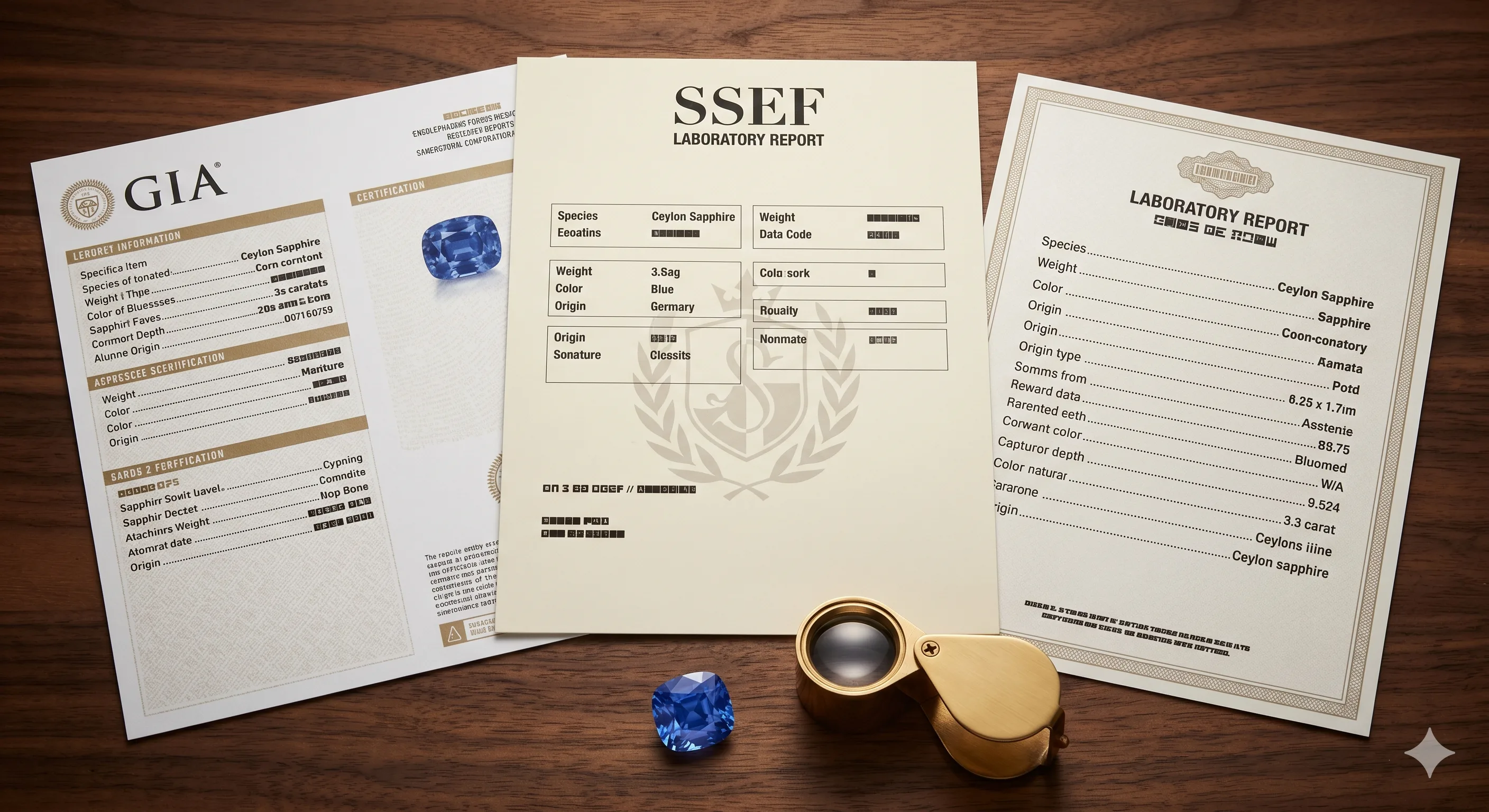
Three laboratories dominate the colored-stone trade. Each has a slightly different role.
GIA is the largest, most broadly trusted, and the default for commercial trade in the US market. GIA identification reports cover species, treatment, and on request, origin. For Ceylon sapphires under about three carats, a GIA report is typically sufficient.
SSEF (Swiss Gemmological Institute, founded 1972) is the premium option for origin determination. SSEF origin calls carry more weight than GIA's in the high-end trade, particularly for unheated Ceylon sapphires above three carats, where the premium for SSEF certification can run ten to twenty percent over an equivalent GIA-only stone.
Gübelin Gem Lab (founded 1923 in Lucerne) is on par with SSEF. Gübelin pioneered colored-stone origin determination in the 1920s and maintains the industry's most extensive reference database of inclusion photography. Their Origin Report is the gold standard for pedigree stones, auction-grade material, and collector-level purchases.
A simple rule of thumb for sapphire certification by size:
- Under 2 ct: GIA is usually sufficient.
- 2 to 5 ct: GIA is fine for most buyers; SSEF or Gübelin add meaningful premium for unheated stones.
- 5 ct and up: SSEF or Gübelin origin report is expected by the market, often alongside GIA.
For context on how certification tier intersects with final price, our Ceylon sapphire price per carat guide breaks down the premium each report layer commands.
How to Verify a GIA Report Is Authentic
Before you act on any GIA report that arrives with a stone, do three things in this order.
1. Check the report number on GIA's website. Go to gia.edu/report-check and enter the nine-digit number from the physical document. GIA displays its on-file record. Every field shown on screen should match the physical report exactly: measurements, weight, color, treatment, origin, comments. If any field differs, or if the number returns no result, the document is forged or altered.
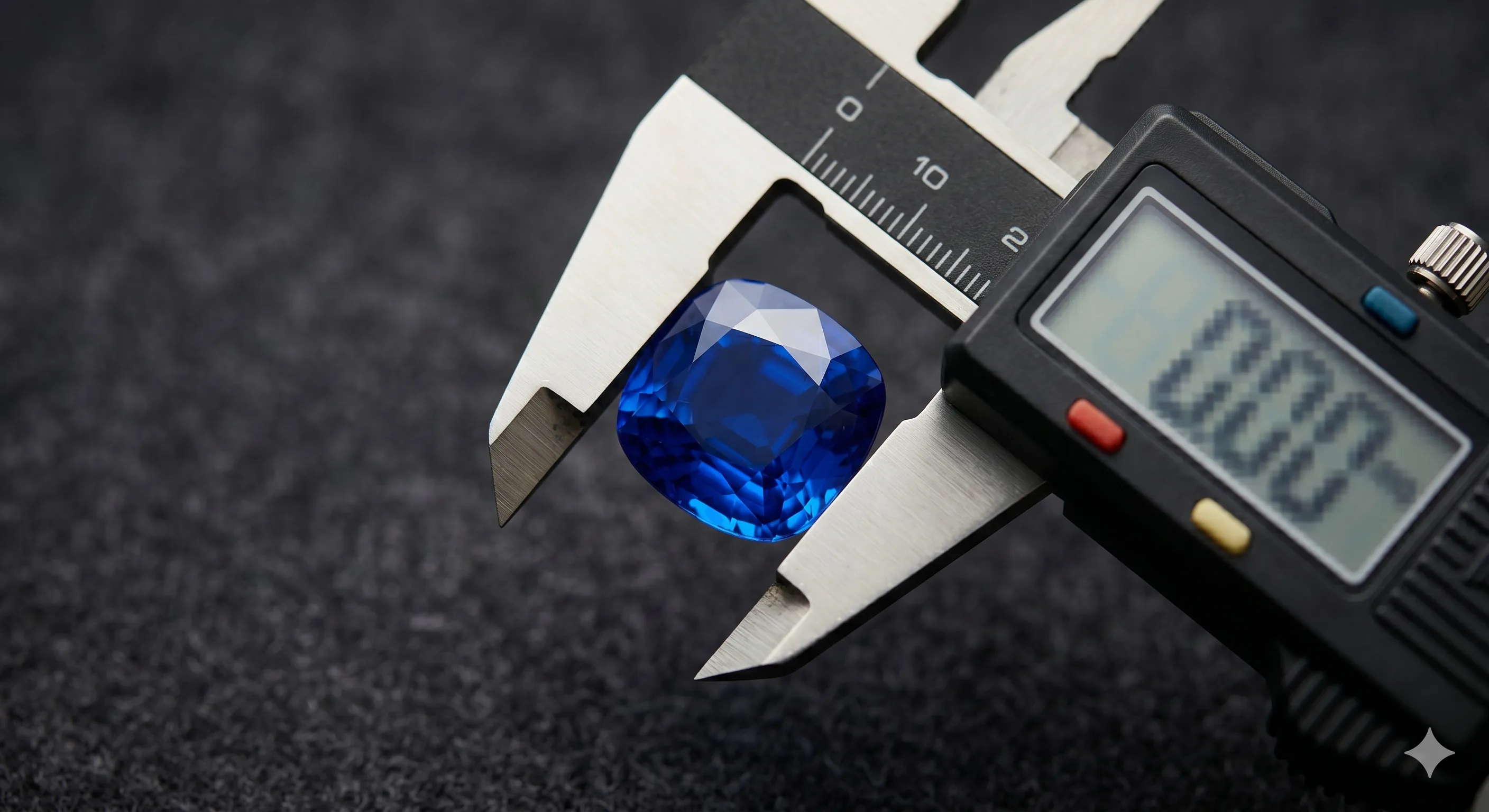
2. Measure the stone. Use a digital caliper. If the report reads 8.12 × 6.43 × 4.28 mm and the stone measures 7.95 × 6.55 × 4.15 mm, the stone in your hand is not the stone GIA examined. This is the most common form of fraud in the gem trade: a genuine report paired with a different stone.
3. Weigh the stone. A meaningful weight discrepancy (more than about 0.02 ct on a gem scale) tells you the same thing. The report is real; the stone is not.
We had a client send us a 2.8-carat unheated Ceylon sapphire they had purchased overseas, along with the original GIA report from 2019. The report number verified correctly on GIA's website. Every field on the GIA portal matched the physical document. But when we measured the stone with our own caliper, the dimensions were off by almost half a millimeter across length and width. The weight was 2.65 ct instead of the 2.81 ct printed on the report. Somewhere between the original GIA submission seven years earlier and the client's purchase, the genuine stone had been swapped out for a lower-grade heated Ceylon sapphire of similar appearance. The report was authentic. The stone paired with it was not. The client recovered part of the payment through the seller's dispute process, but the episode is why we insist on physical measurement and weight verification on every stone that enters our inventory. It costs two minutes and has saved several clients from worse outcomes. For the broader checklist on verifying a Ceylon sapphire's authenticity beyond the paperwork, our authentication guide covers the physical and gemological tests that complement the report.
Red Flags When Gem Lab Reports Are Explained to You
A few patterns are worth knowing about before you read the next report a seller hands you.
Reports from laboratories you do not recognize. The colored-stone labs whose reports the trade treats seriously are GIA, SSEF, Gübelin, AGL (American Gemological Laboratories), Lotus Gemology, GRS, and AIGS. A report from outside this group is a starting point, not proof. Ask the seller to submit the stone to one of the recognized labs at their cost.
Identification-only reports described as "origin reports." A basic GIA Colored Stone Identification Report does not include origin. A GIA Colored Stone Identification and Origin Report does. Sellers sometimes imply Ceylon origin from a report that makes no such finding. Read the top of the document carefully for which version you have.
Empty or conspicuously terse comments fields. A full GIA report has a populated comments section. If that field is blank or generic, ask for the full version.
Outdated reports paired with newly cut or polished stones. A stone that has been recut since its original certification is no longer the stone the report describes. Ask for a fresh submission.
"Certificate" versus "report." GIA, SSEF, and Gübelin issue reports, not certificates. Marketing materials that use the word "certificate" in place of "report" are an early signal the seller may be relaxed about precision elsewhere.
Every stone listed in the Crestonne collection ships with its original laboratory report and is physically measured and weighed against that report before it leaves our inventory. If you are sourcing a specific Ceylon sapphire to exact specifications, submit your requirements through our custom sourcing service and we will search our Sri Lankan network with the report requirements (lab, treatment status, origin confirmation) stated upfront.