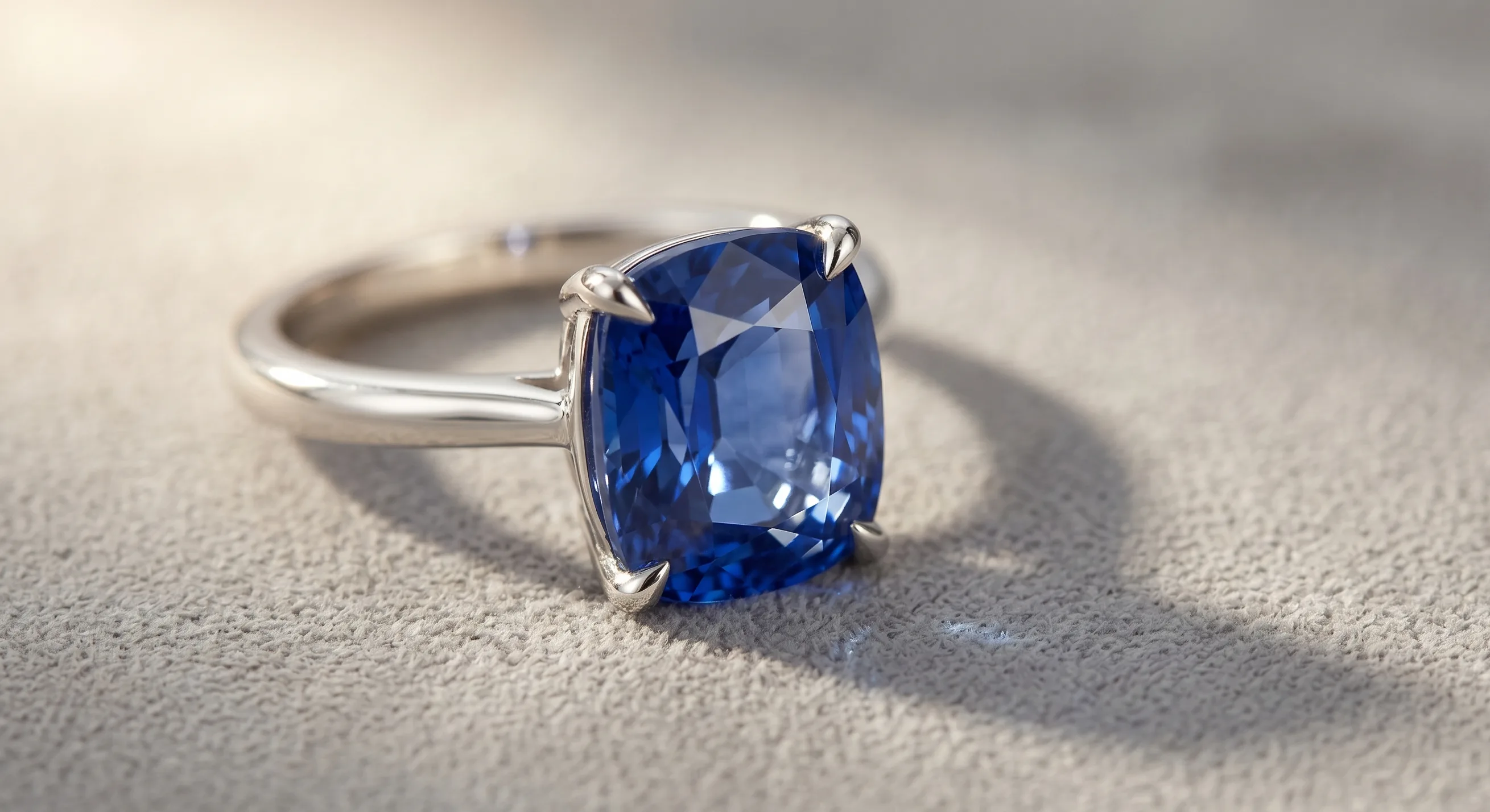
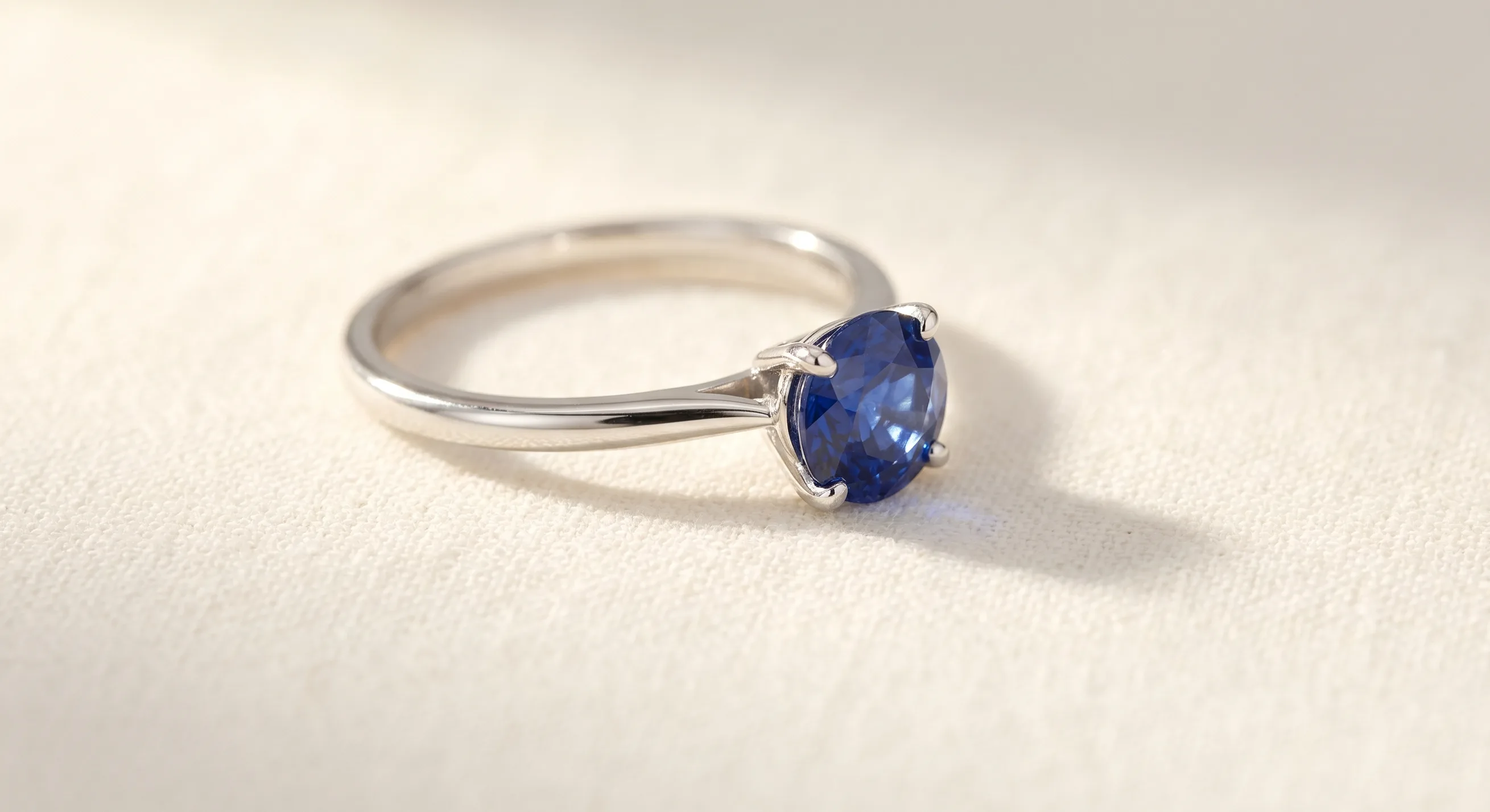
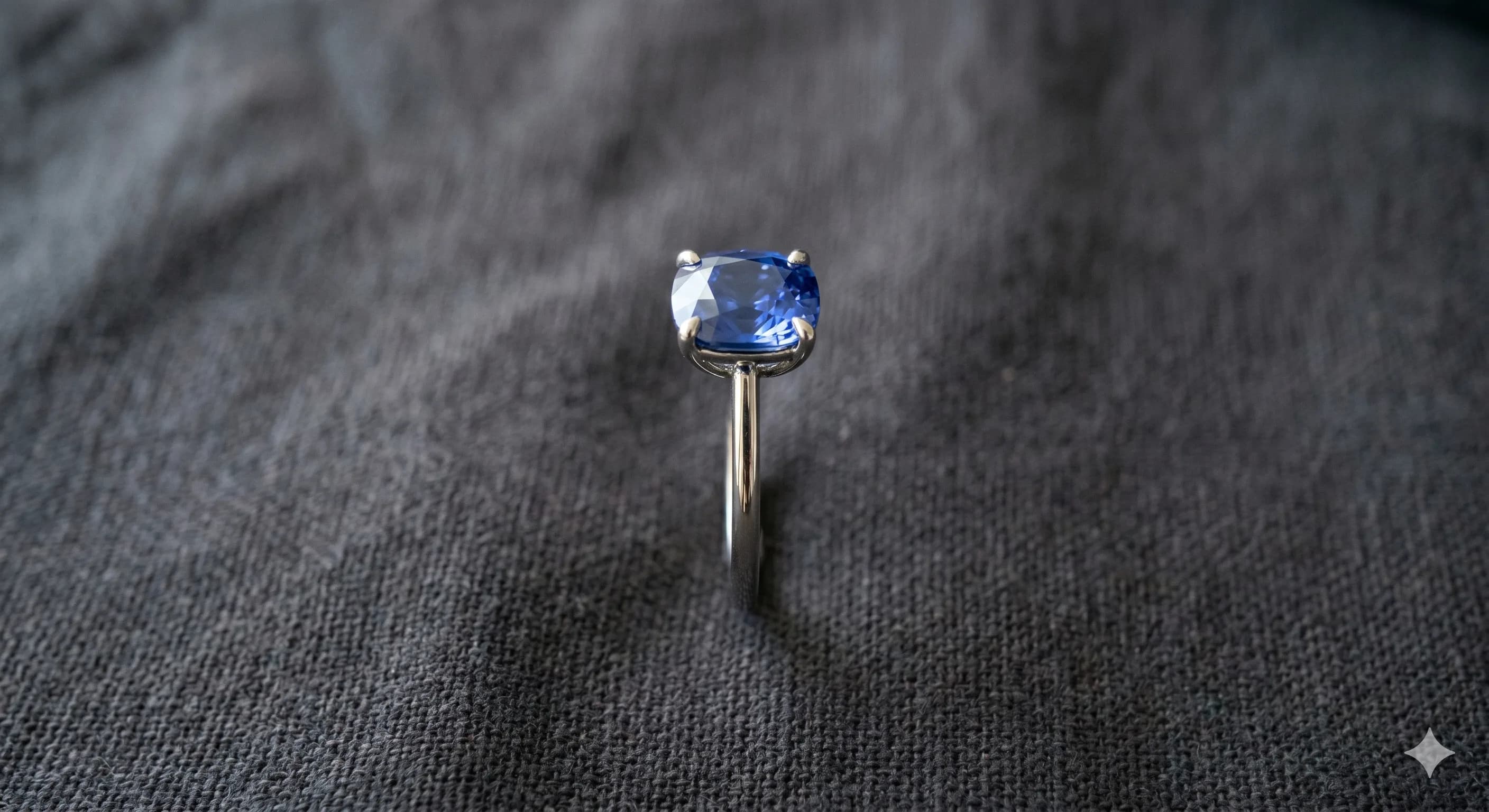
A Ceylon sapphire is hard enough for everyday wear. Mohs 9 sits one notch below diamond and one above topaz. In practical terms, the only thing in your day that can scratch the stone is another sapphire, a ruby, or a diamond. Most owners wear theirs daily for decades and never see surface damage. The stone outlives the setting, the box it came in, and usually the marriage. This guide covers what Mohs 9 actually buys you, where the limits really are, and what to plan for when you wear a sapphire ring every day.
What Is the Mohs Hardness of a Sapphire?
The Mohs hardness for sapphire is 9 out of 10. The Mohs scale ranks minerals by which can scratch which: a stone at 9 scratches everything below it and is scratched only by stones at 9 or 10.
- 10: Diamond
- 9: Corundum (sapphire and ruby)
- 8.5: Chrysoberyl (cat's eye, alexandrite)
- 8: Topaz, spinel
- 7: Quartz (amethyst, citrine)
- 5–6: Glass, opal, turquoise
The Mohs scale is logarithmic, not linear. Diamond is roughly four times harder than sapphire in absolute terms, even though they sit one number apart. Sapphire is roughly twice as hard as topaz. The gap between 9 and the rest of the gem world is genuinely wide.
For a sapphire to develop a visible surface scratch in normal wear, it has to contact something harder than 9. Almost nothing in a household, a kitchen, or an office qualifies. The realistic risks are diamond jewellery on adjacent fingers and accidentally stacking the ring against another sapphire or ruby in a jewellery box.
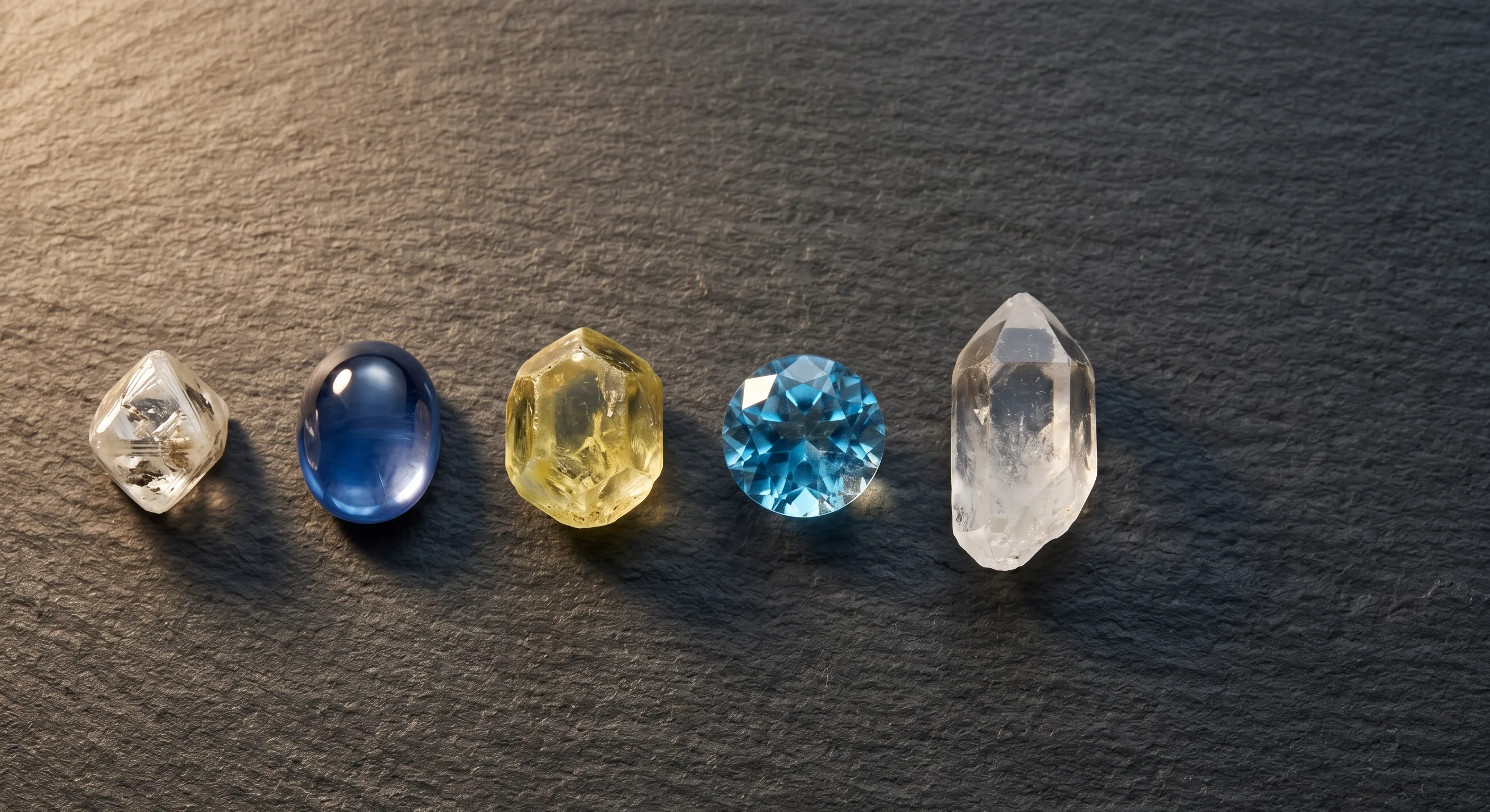
Sapphire vs Diamond Durability
The sapphire vs diamond durability comparison is the one most engagement ring buyers actually want answered. Diamond is harder. Sapphire is tougher.
Hardness measures resistance to scratching. Diamond at 10 wins.
Toughness measures resistance to chipping, cleaving, and breaking under impact. Diamond has perfect cleavage along four planes, which means a hard hit at the right angle can split it. Sapphire has no cleavage. It is harder to chip a sapphire than to chip a diamond of the same size.
In practice, both are exceptional for daily wear. A sapphire prong-set ring will accumulate slightly more visible softening on the girdle edges over decades than a diamond will. A hard knock against a marble counter is statistically more likely to chip a diamond than a sapphire of the same size. Neither is fragile.
For colour, history, and price-to-quality, Ceylon sapphire is the better choice for many buyers. For maximum scratch resistance, diamond wins. We cover the full set of trade-offs in our blue sapphire engagement ring buying guide.
Hardness vs Toughness: Why Both Matter
Hardness scratches a stone. Toughness cracks one. Emerald is the classic case where the two diverge: Mohs 7.5 sounds reasonable, but most emeralds carry oil-filled fractures that send toughness through the floor. They chip easily.
Sapphire scores high on both. Mohs 9 hardness, no cleavage, and no fracture-filling on properly graded material. Aside from diamond, the only natural stones that match the combination are ruby (also corundum) and chrysoberyl.
What Can Actually Damage a Sapphire?
The stone itself is nearly indestructible. The risks line up clearly.
- Other corundum. A sapphire scratches a sapphire. Stack rings carefully in storage and never store two sapphire pieces touching each other.
- Diamond contact. Diamond melee in a wedding band can polish or lightly mark a sapphire's facet edges over years of skin-side rubbing. Wear them on different fingers if you want to avoid this.
- Sharp impact on a corner. Cushion and emerald cuts have exposed corners that can chip on a hard knock. Bezel and halo settings protect against this. Plain solitaires do not.
- Aggressively treated stones. Standard heat treatment is fine, but a stone that has been heavily fissure-treated or fracture-filled can have internal fractures that propagate under impact. A reputable lab report flags this.
Notice what is not on the list: water, daily activity, gardening, cooking, hand washing, exercise, baby-handling, manual labour. Sapphire is a working gemstone in the most literal sense.
The Ring Finger Reality Check
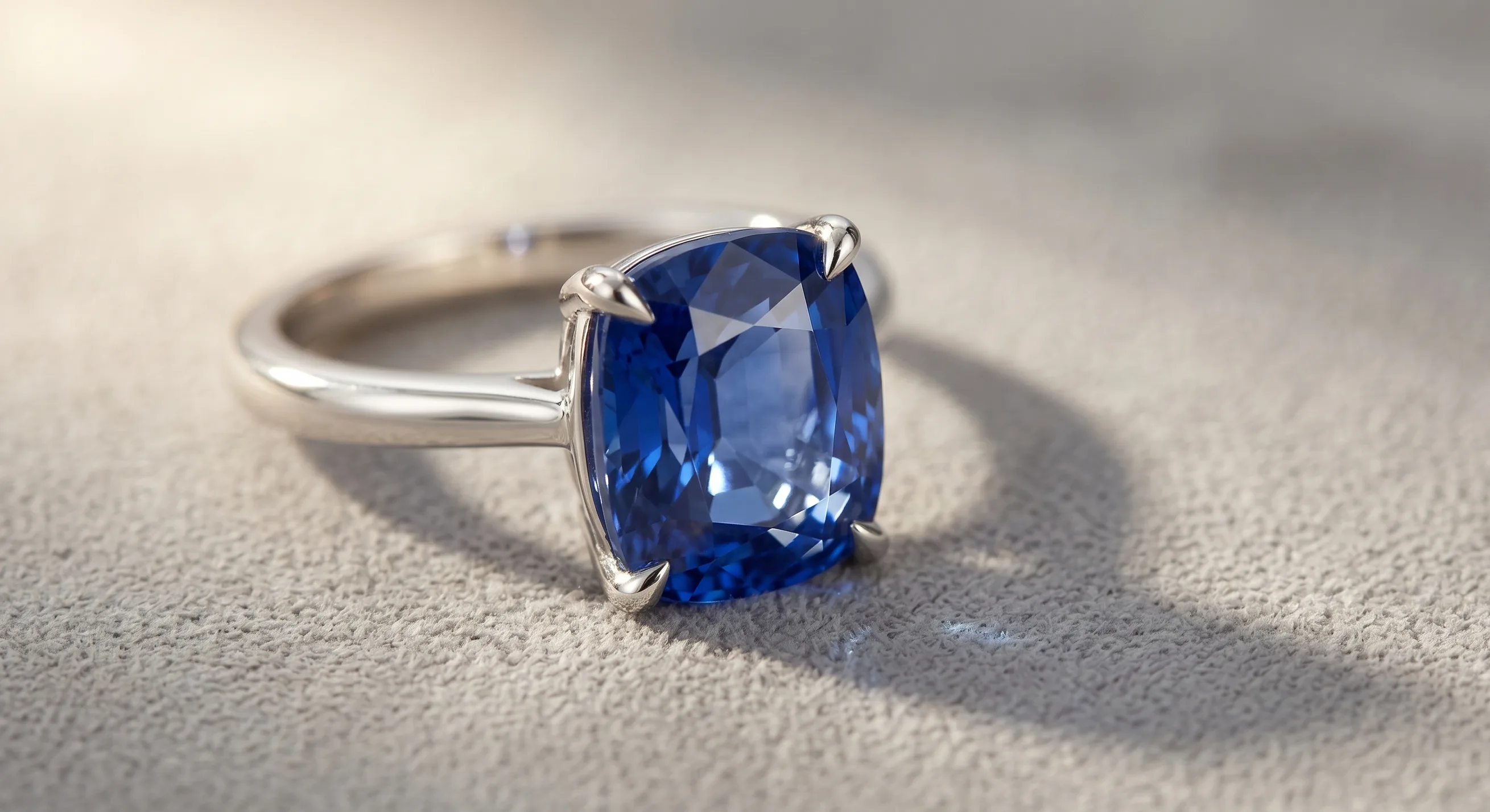
A customer brought her Ceylon sapphire ring in for inspection after eight years of daily wear. She is an engineer who gardens on weekends, cooks every night, and rarely takes the ring off. The stone, a 2.6 ct unheated cushion-cut Ceylon blue, was untouched. The girdle was crisp, the colour matched her receipt photo from 2018. The white-gold prongs needed two retipping touches and a polish, normal service for any eight-year-old prong-set ring.
This pattern is consistent across hundreds of stones we have seen come back for inspection. The prongs and the shank wear. The stone does not. For the routine cleaning that keeps the gem looking new in between, see our home cleaning guide.
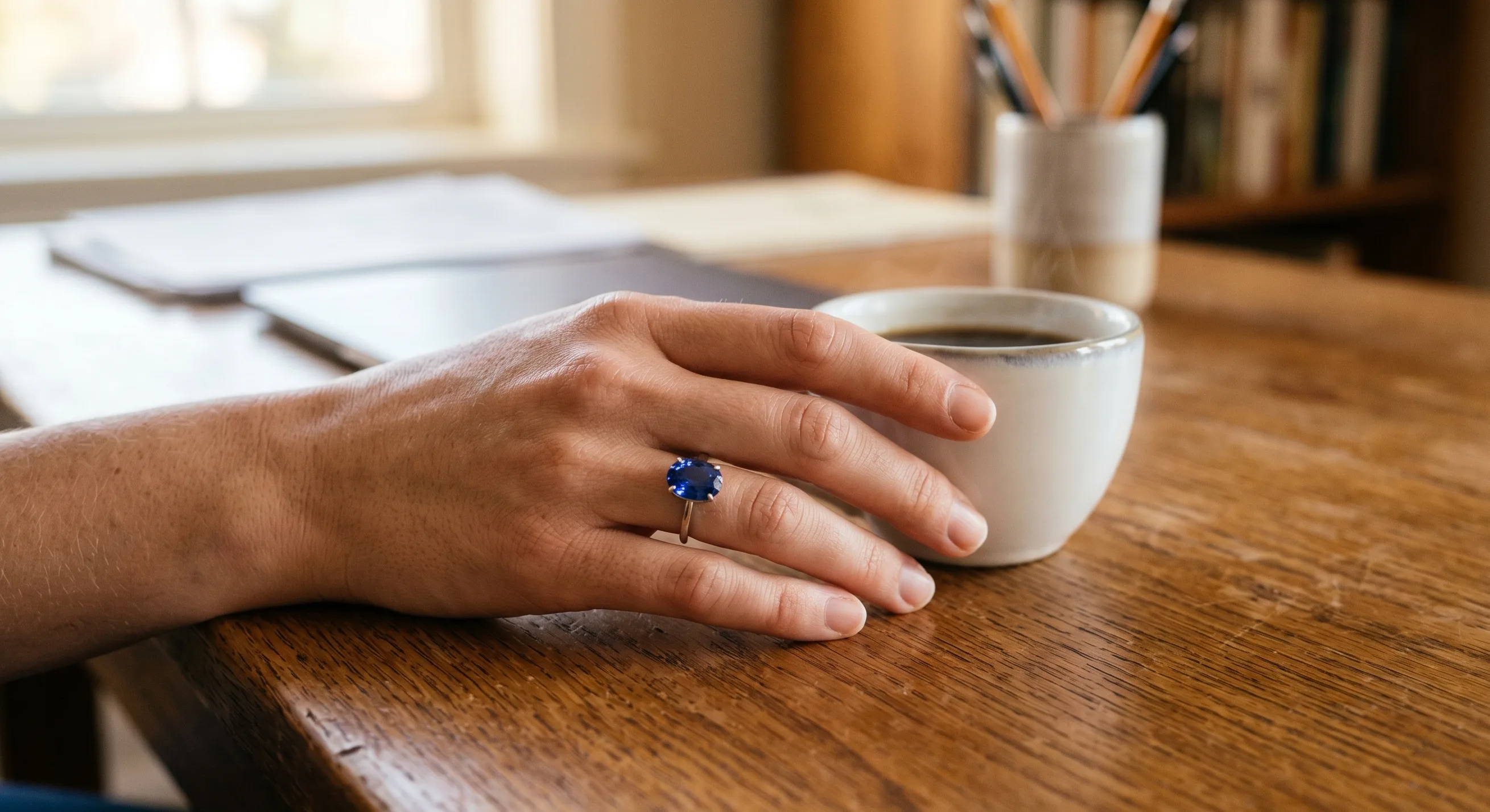
Settings That Protect a Sapphire
Sapphire is hard but not invulnerable. The setting decides how much of that hardness you actually get to use. Bezel settings (a continuous metal rim around the stone) give the best protection against impact and snagging. Halo settings shield the girdle with a ring of accent stones. Six-prong settings carry redundancy. Four-prong solitaires give maximum light and minimum protection, and are the setting most likely to lose a stone if the prongs go unchecked. If you choose a solitaire, an annual prong inspection is necessary.
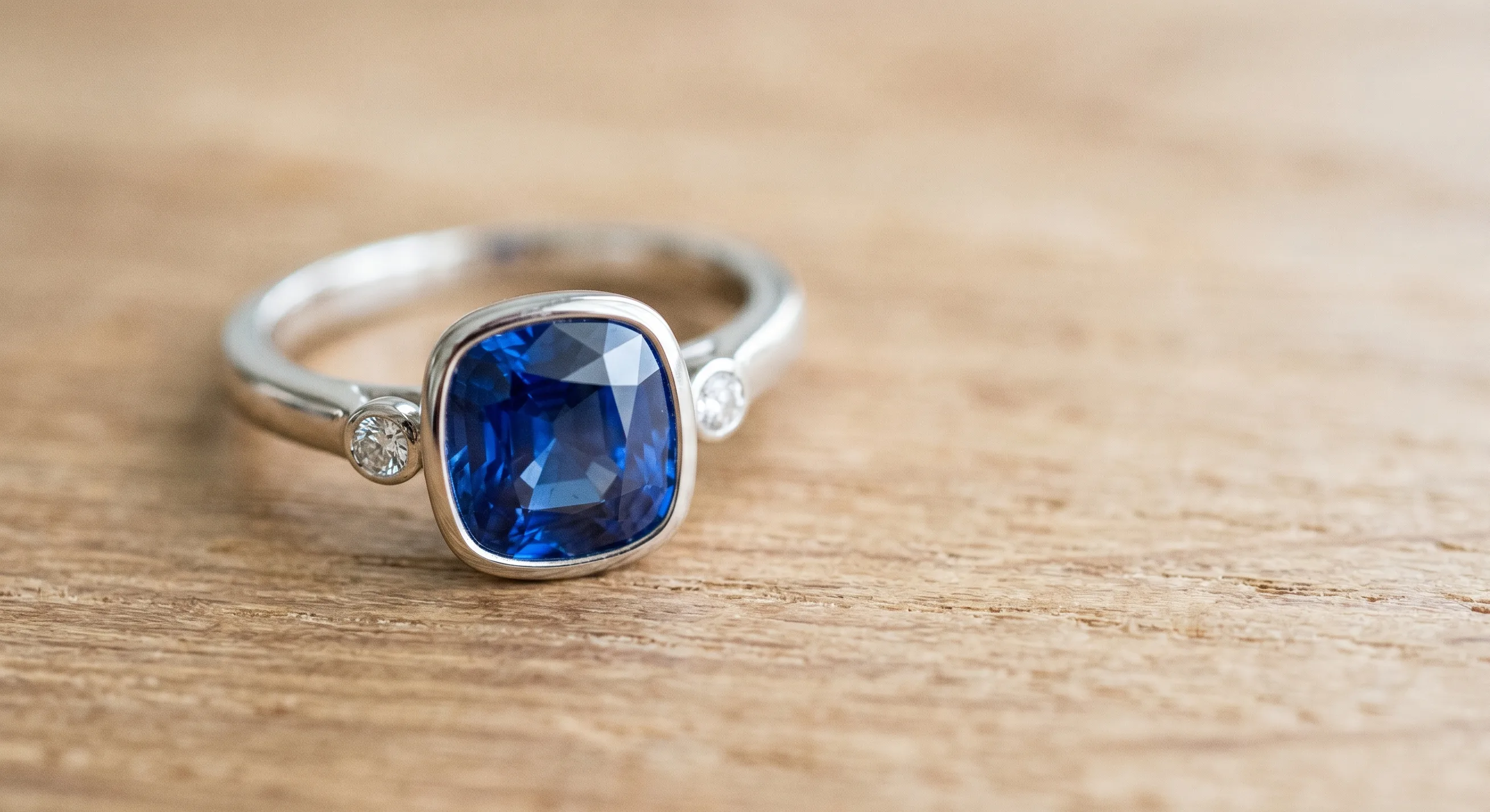
Putting It Together
A Ceylon sapphire is one of the few gems where everyday wear is genuinely the design intent, not a marketing claim. On sapphire hardness everyday wear, the trade verdict has been settled for over a century: Mohs 9, no cleavage, abrasion resistance the rest of the gem world can only approximate. The setting needs occasional service. The stone does not.
If you are choosing a stone for a daily-wear ring, browse the Crestonne collection for Ceylon sapphires we have on hand, or commission one to your specs through the Ratnapura dealer network.